Are Cushioned Shoes Making Us Weaker?
Posted by Xero Shoes Australia on 4th Feb 2026
Cushioned shoes feel comfortable. That’s the point.
The better question is whether comfort today is costing us strength tomorrow.
Modern footwear is softer, thicker and more structured than ever. Midsoles absorb impact. Arch supports hold shape. Heel counters limit movement. On paper, it sounds protective.
But your feet aren’t passive structures. They contain 26 bones and more than 100 muscles, tendons and ligaments designed to stabilise, absorb force and adapt to changing terrain. When a shoe takes over those roles completely, your feet do less work.
And when muscles do less work, they weaken.
This isn’t about removing cushioning overnight. It’s about understanding the trade-off. External support can reduce short-term strain, but long-term reliance may reduce the foot’s natural capacity to stabilise and respond.
Think about balance. When you can feel the ground beneath you, your body makes constant micro-adjustments. That sensory feedback improves coordination and control. Thick cushioning dampens that signal. The result is less awareness and slower response.
There’s also the strength equation. If your arch is always propped up, the intrinsic muscles that support it aren’t challenged. If your toes are confined in a narrow shape, they can’t spread and assist with stability. Over time, reduced demand leads to reduced capability.
The fatigue argument is often misunderstood. Highly cushioned shoes are typically heavier. Even small weight differences compound over thousands of steps. More importantly, when underused muscles are suddenly asked to perform, they tire quickly. That’s often when discomfort shows up.
Stronger feet distribute load more effectively. They share stress with the calves, knees and hips instead of overloading one area. Resilient feet don’t eliminate impact, they manage it.
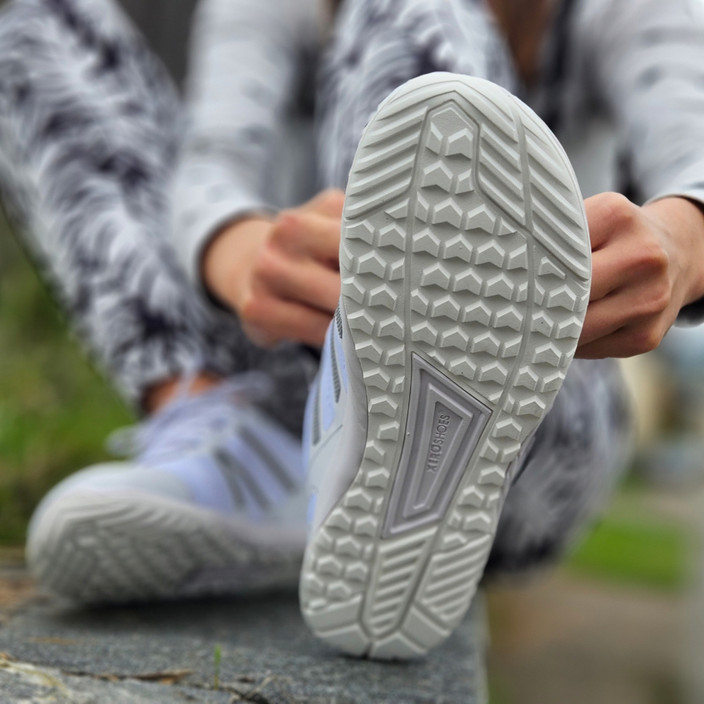
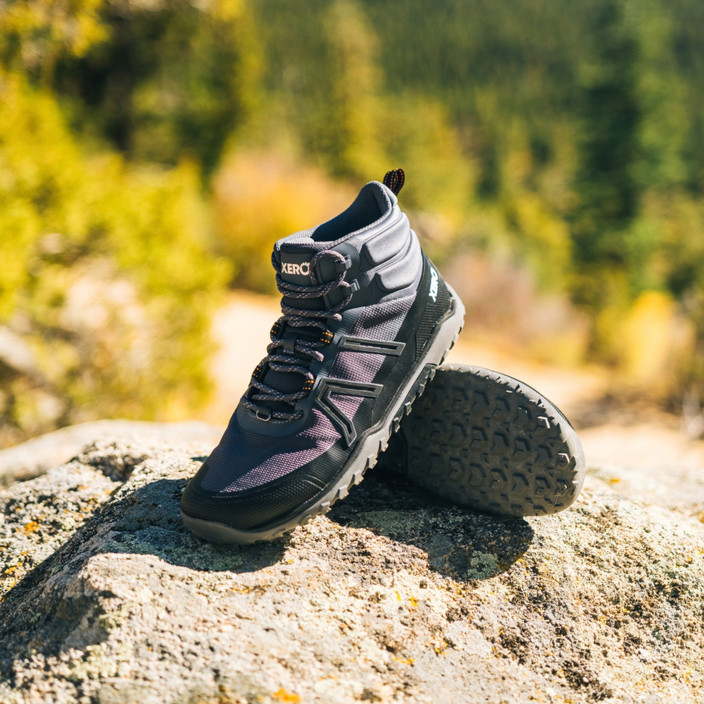
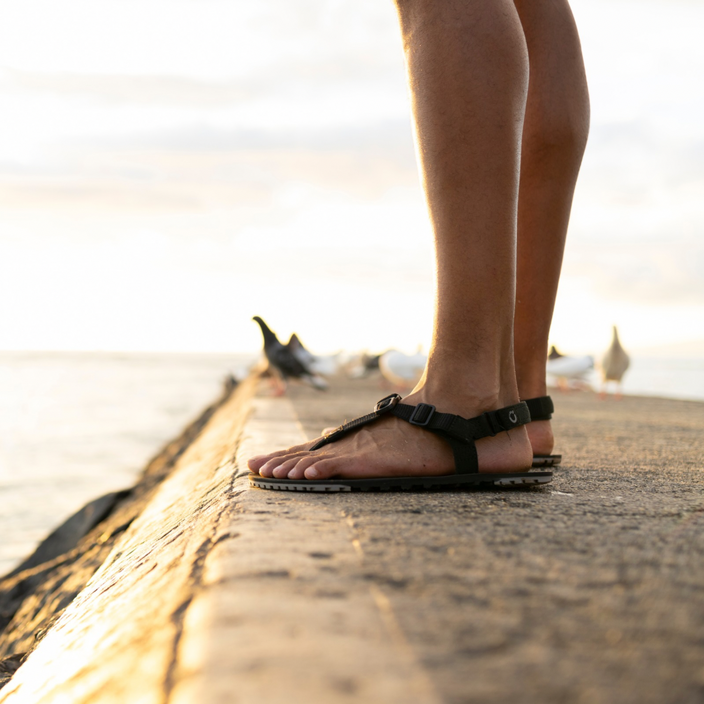
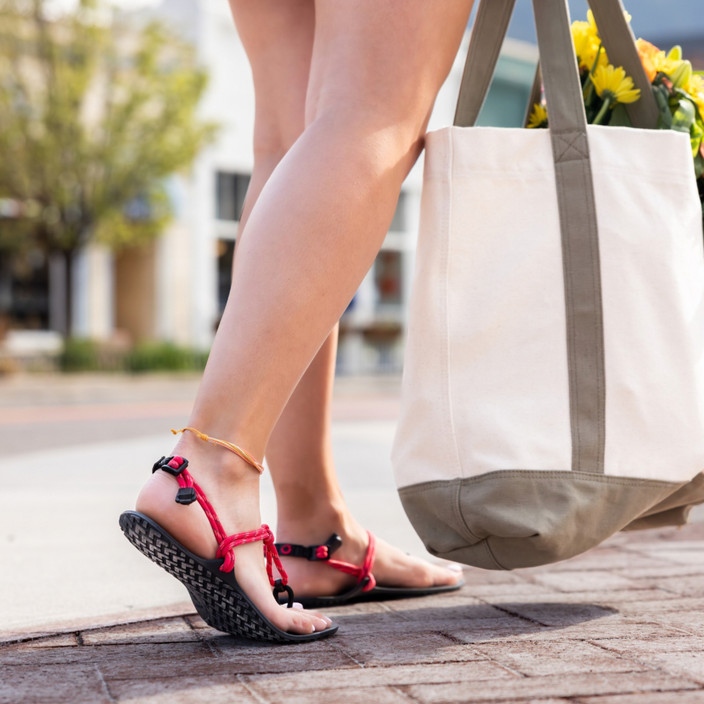
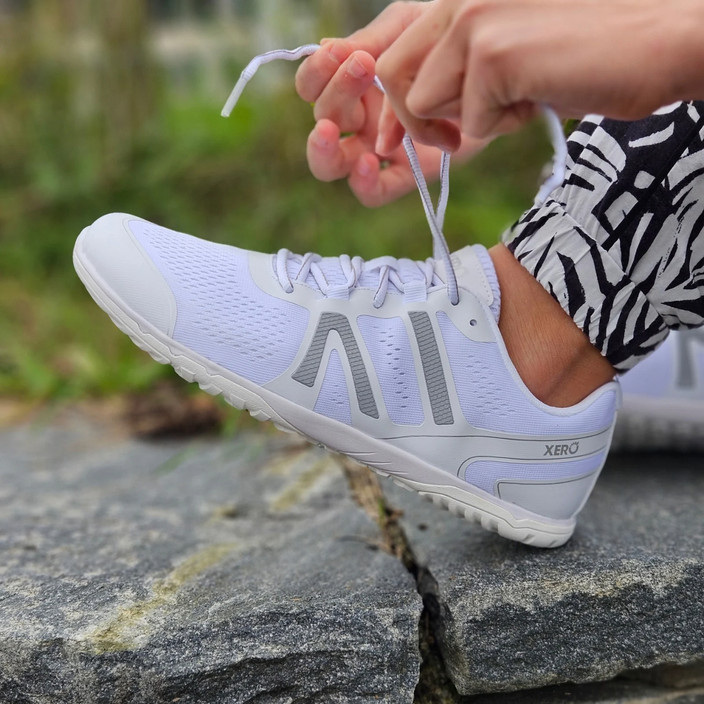
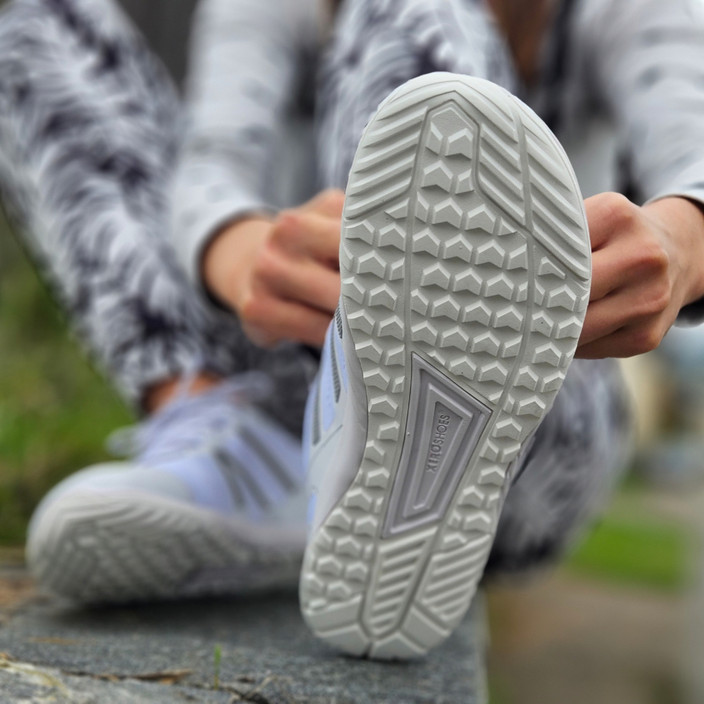
This is where natural movement design becomes relevant. Foot-shaped construction allows toes to splay. A zero-drop platform supports upright posture. Flexible soles allow the foot to bend and adapt rather than sit rigidly on top of foam.
At Xero Shoes, the focus is on restoring natural function, not stripping shoes back for the sake of it. The goal is simple: let the foot move the way it was designed to.
Cushioning isn’t the enemy. Dependency is the concern.
The solution isn’t extremes. It’s progression. Gradually exposing your feet to more natural movement, strengthening them over time, and paying attention to form builds long-term capacity.
Comfort matters. But capability matters more.
And when your feet are capable, everything above them benefits.